-
12-02
The Contemporary Value of Yellow River Management Culture
Project Fund: Research on the International Communication of Yellow River Culture (22@ZH022)

Project Fund: Research on the International Communication of Yellow River Culture (22@ZH022)
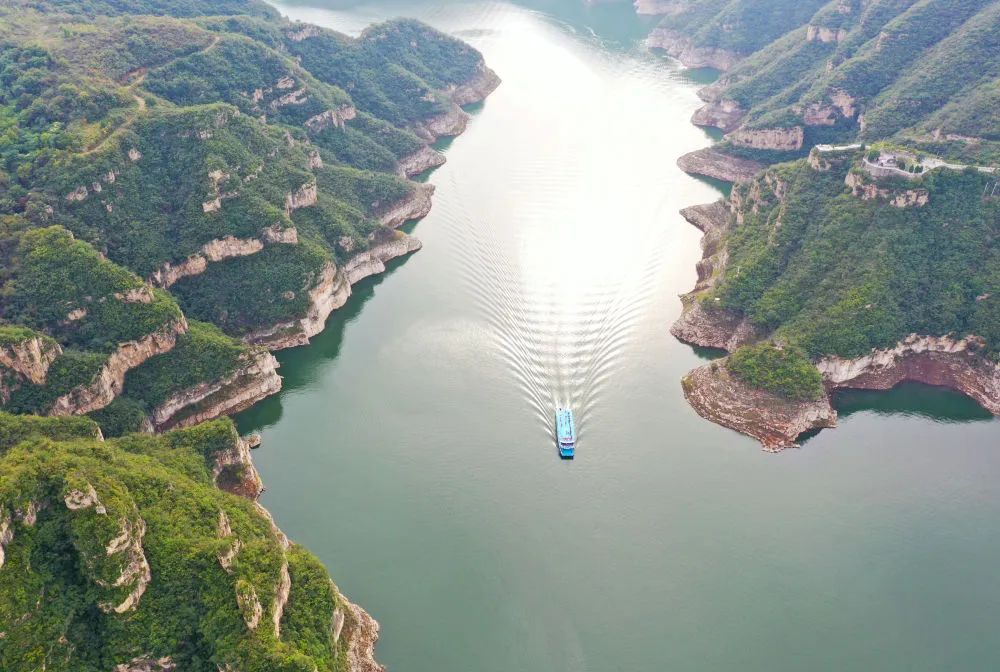
The Yellow River governance culture is the core content of the Yellow River water culture, and is an integral part of the Yellow River culture. Combing and studying the historical veins produced by the Yellow River governance culture, multi-dimensional excavation of its rich historical connotations, refining its value, telling the story of the Yellow River in the new era.
The Yellow River is the mother river of the Chinese nation. The Yellow River culture, rooted in the Yellow River Basin, is the most representative and influential subject culture of the Chinese civilization, is the root and soul of the Chinese nation. In a sense, the history of the Chinese people governing the Yellow River is also a history of statecraft. Yellow River governance culture, as the main component of Yellow River culture, is a cultural formation characterized by yellow river governance. It reflects the evolution of relations between Chinese people and the Yellow River from ancient times to the present. Its most basic content is various practical activities that people use, develop, govern and protect the Yellow River.
The Yellow River is the mother river of the Chinese nation, which feeds the Chinese nation. Yellow River governance has become a major problem that has plagued the Chinese nation for thousands of years. Yellow River governance mainly refers to water treatment activities such as water treatment, water treatment method, water treatment experience, water treatment lesson, etc.
The Yellow River governance culture system is large and rich in content, encompassing the core elements of China's excellent traditional culture, revolutionary culture and socialist advanced culture. It contains deep cultural genes of the Chinese nation. From early agricultural production practices, to modern revolutionary practices, to socialist construction and reform practices since the founding of New China, the Yellow River governance culture has been reflected in different cultural forms and contents at different historical stages. In the course of thousands of years of struggle against the Yellow River, the spirit of hard-working, tenacity and perseverance manifested in the yellow land on the shores of the Yellow River, as well as the spiritual unity of the water as teacher, Daofa nature, compatibility and traits in the process of integration of ethnic origin. Since 1946, the Chinese Communist Party led the people to rule Huang, the flood protection system has been perfected and realized for more than 70 years, the ecological environment continues to improve, the level of watershed development is constantly improving.
The Yellow River is known for its "good silt, good decision and good migration". It has the saying of "three years two decisions, one hundred years of conversion."
During the spring and autumn period, Qi Guo, located in the lower reaches of the Yellow River, took the lead in building embankments. Various princes followed suit, and water disputes occurred when water disputes arose.
After the reunification of the Six Nations, Qin established the first unified multi-ethnic state in China's history, renamed the Yellow River to Deshui, and decreed "Due through the river, raze away the danger" and build a unified Yellow River embankment.
During the West Han period, as the Yellow River overflowed more and more, the Yellow River gluing technology gradually developed. Han Wudi visited the Shizikou river site, using the method of piling filling, commanding the plug successfully, Kaixing profit to eliminate the first river.
During the East Han period, water conservancy expert Wang Jing took the management strategy of "building embankments, culverts, and standing gates" to calm the long-running Yellow River flood and achieve a long-term relative tranquillity situation.
At this time, the ancient Chinese cultural and scientific system has been formed, and many production technologies have matured. Over 700 years from West Han to North-South Dynasty, after a series of manual canals were opened, the north-south water transport network was formed.
After the establishment of New China, the Party and the State attach great importance to the Yellow River governance, successively implemented four overhaul embankments, built dry tributary water conservancy hubs such as Long Sheep Gorge, Liu Jiaxia, Sanmen Gorge, Xiaolang Bottom, and a large number of plain stagnant flood projects.
In the 21st century, the party and state have put forward new requirements on Yellow River governance. To adhere to integrated governance, system governance, source governance, ecological priority, green development, depending on water and quantity of water.
The prosperous development of the Yellow River governance career has provided favorable conditions for the construction of the Yellow River governance culture, further enriching the connotations of the Yellow River governance culture.
The Yellow River governance culture contains the civil philosophy of "People's Only State Ben" and provides the original gene for people-centered governance. The governance of the Yellow River has been a long process, with the idea of people-centered governance throughout. Dayu's treatment of water is the beginning of the popular ideology in the Yellow River governance culture. Ximen leopard treated the water, taking the people as the basis of the people, dare to do it. Xingshui has led 12 of the People's Canques, so that the economy of Yiyang is rapidly developing and people's lives are improved. The Sui Dynasty opened the Grand Canal connecting the Yellow River, Yangtze River and Huaihe water transport, which became a great channel for communicating the north-south economic links between North and South, greatly promoting economic and social development on both sides of the Yellow River.
During the period of socialist reform and development, party and state leaders visited the Yellow River several times to make important directives on protection and governance of the Yellow River. Xingli, the theme of the Yellow River governance culture during this period was Xingli, and Xi Jinping proposed a major national strategy for ecological protection and high-quality development of the Yellow River Basin.
In the new journey of the new era, we will inherit the civil philosophy of the Yellow River governance culture, firmly establish people-centered development ideas and implement into all decision deployments and practical work, so that people have more sense of gain, happiness and security.
The Yellow River governance culture contains the concept of “oneness of people from heaven and earth” and provides historical wisdom for the construction of ecological civilization in the new era. After thousands of years of development, the Yellow River originated, nurtured and developed philosophical ideas such as “water as teacher”, “Daofa nature” and “the unity of God”. On the basis of the former Menji River, Pan Ji proposed a series of river treatment methods such as "build embankment water, attack sand" and so on. The past simple floodwaters are combined with the traditional floodwaters, which also reflect changes according to natural phenomena, "to act according to the law of nature." On the basis of summarizing the experience and absorbing advanced science and technology, Li Yi-hshui proposed a comprehensive governance approach that combines upstream and downstream, curative and regulatory standards, engineering measures and non-engineering measures.
After years of implementation, the dry and desolate Kubuzi Desert on the south bank of Yellow River River gradually transformed into an ecological oasis.
The Yellow River governance culture contains the spirit of “resilience” and provides historical genes for shaping the character of the Chinese nation. From ancient times, the struggle between China’s children and the Yellow River has never stopped.
After the establishment of the new China, at the hands of Chinese Communists, created a historical miracle of the Huang River from passive governance to active governance. These are vivid illustrations of the undaunted hardships and daring struggles of the Yellow River.
In the new era, we will continue to promote the spirit of self-revolution in the Yellow River governance culture without fear of difficulties and courage, with the "blade inward" self-revolutionary spirit of the "blade inward" self-revolutionary spirit, constantly strengthen the strength of the experience, and increase the strength of the struggle.
In the thousands of years of history of Yellow River governance, Huang Xianxian adheres to a clean and incorruptible ethics, right for the people, and his ideas and behavior became the brightest light in the culture of Yellow River governance. Confucius' disciple Zhang asked Confucius to teach him how to be an official, one of the suggestions given by Confucius was "desire and not want", reflecting Confucius' idea of integrity as politics. He also regularly inspects piles in wind and snow, punishes corruption officials, and fights river abuse. He introduced the "brick-throwing dam" law due to the local system, which saves a lot of money for river workers.
Since the 18th Congress of the Party, with Comrade Xi Jinping as its core, the party has placed a more prominent position in the construction of integrity culture in the new era. The 20th report of the Party proposes to strengthen the construction of integrity culture in the new era, education guide the majority of party members and cadres to enhance self-awareness of not wanting corruption. Deeply dig into the cultural elements of integrity in the Yellow River governance culture, promote political and cultural prosperity, drive socio-cultural upward toward good.
In order to achieve effective governance of the Yellow River, successive generations have instituted a targeted system of ordinances and orderly rule of law. The concept of rule of law provides legal support for further advancing China’s rule of law.
After the reunification of the six countries, Qin formulated a series of regulations. Among them, regulations related to the Yellow River flood control provisions have "resolved the river defense, raze the risk of obstruction." During the West Han period, river regulation regulations had relevant provisions in setting up river management officials, river embankment defense team organization and funding, and strict criminal law provisions were set for the duty to repair the Yellow River embankment. In the Qing Dynasty, the Water Conservation Law promulgated in 1942, there were also provisions for the protection and governance of the Yellow River. After the establishment of the new China, according to the rule of law, the concept of river management has been adopted. The Yellow River Protection Law of the People's Republic of China, which came into force on April 1, 2023, is the first special law on the basic, comprehensive and territorial nature of the Yellow River Basin.
The Yellow River is divided into Jiuzhou, which was originally isolated from each other into interdependent entities, and gave birth to the earliest state form, the Xia Dynasty. The West Han regime was strong and powerful, and several decisions of the Yellow River were effectively blocked. In addition to natural factors such as the elevation of river channels caused by increasing mud deposits in the Yellow River, “water substitutes” and others are not numerous instances of destruction of the Yellow River.
After the establishment of New China, it proposed a river management strategy combining Xingli and harm eradication to promote integrated governance in the upper middle and lower reaches of the Yellow River. In the 1990s, the lower reaches of the Yellow River were more than broken, and the Yellow River suffered a serious existential crisis.
China's earliest state formation stems from the need and practice of water governance. The domestic sentiment formed by water also accompanied the whole history of protection and governance of the Yellow River.
The economic and social development of the Yellow River Basin, which flourished because of the river, "the peoples held together like pomegranate seeds" and the identity of the Chinese nation is deepening.
The Huang River governance culture contains the innovative concept of "change of things" and provides the impetus for the construction of an innovative state. Dayu took lessons from previous people to treat water, created and invented measuring tools, improved the technical level of water treatment, on this basis, creatively proposed "sluggish river guide".
After the establishment of New China, river management technology has also changed from the early "wide river solid embankment" to the three-dimensional protection mode of "stop, tune, row, release and dig".
Innovation is the soul of national progress, is an inexhaustible source of national prosperity and development. It is also the deepest national endowment of the Chinese nation.
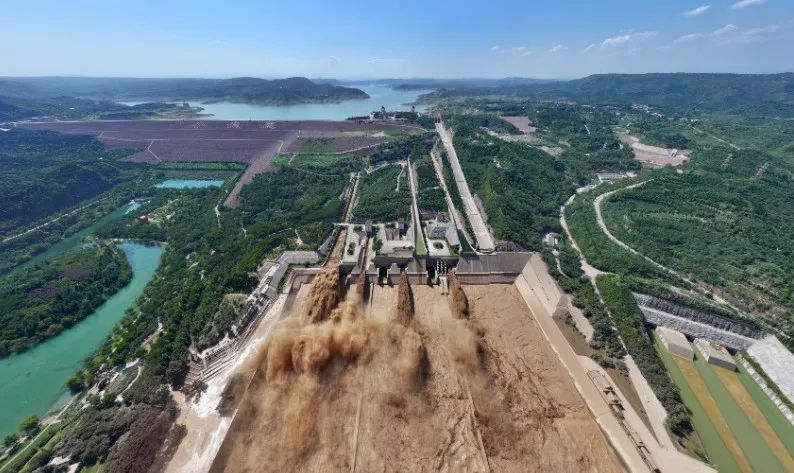
The Yellow River governance culture contains the civil philosophy, harmony concept, struggle spirit, integrity concept, rule of law idea, community consciousness and innovation concept are important elements of China's excellent traditional culture. Entering the new era, take on a new cultural mission, and dig deeper into the rich connotations of the Yellow River governance culture.