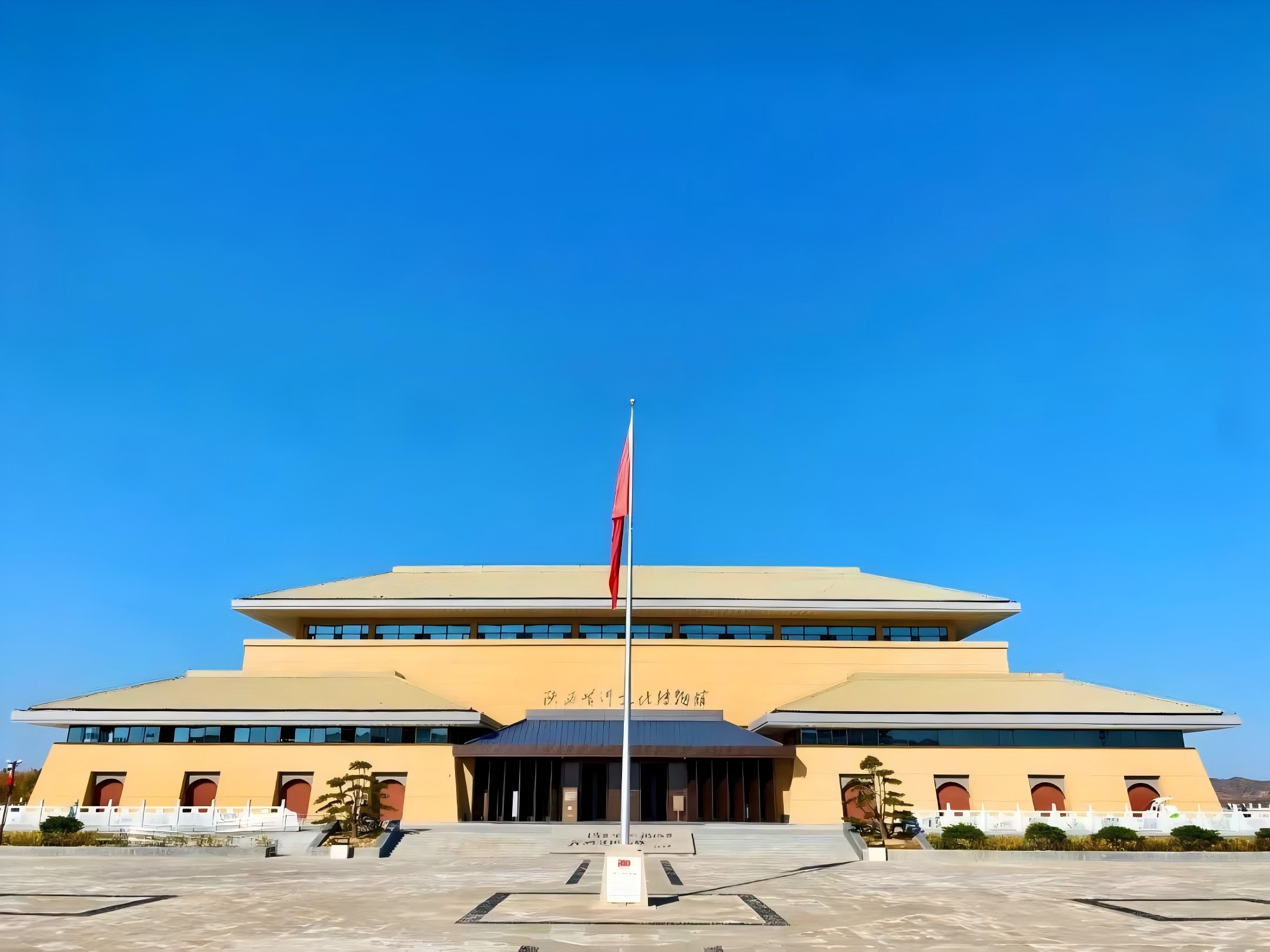
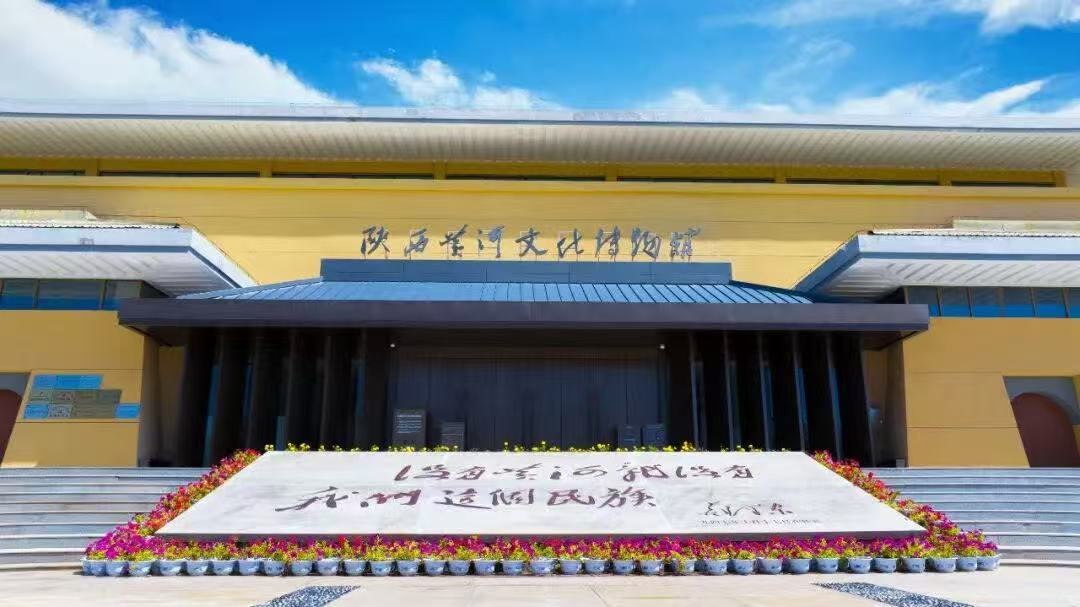
Yellow River Culture Museum
Chapter I General
In order to ensure the safety of the collections, personnel and facilities of the Shaanxi Yellow River Culture Museum, to maintain normal visiting order and prevent all kinds of security incidents, according to laws and regulations such as the "People's Republic of China Antiquities Protection Law" and "Museum Regulations".
This system applies to all museum staff, visitors, property company personnel (including security, cleaning, utility repair) and others entering the museum area.
The museum safety and security work adheres to the principle of "prevention, prevention, integration, full participation, grading responsibility", adheres to the work goals of "fireproof, anti-theft and accident prevention".
Chapter II Organization and Duties
The director is the first responsible person for security work, serving as the lead team leader, comprehensively integrating security work; deputy curator is the deputy team leader, specifically responsible for the day-to-day management of security affairs.
Defense Section: Located in Publicity and Public Service Section, responsible for the Chief of Defence Section. As an executive branch of security protection work, it is responsible for daily security patrols, security system operation and maintenance, personnel entry and exit management, incident disposal, security inspection organization, etc.
Business Units: Responsible for the safety management of collections, exhibition layout and equipment use in this department.
Chapter III Safety Management
Internal and Collaborative Staff Management
The security, cleaning and hydropower maintenance personnel of the property company must register in the defense section.
(b) Foreign visitor management
Foreign visitors are required to register their identity information and reasons for visiting the Department.
When visitors enter, the security department needs to check the warehouse room, monitoring room and night security induction situation, and make good records.
(C) Tourist Visit Management
Visitors are required to enter the venue by appointment voucher.
Minors and persons with limited mobility need to be guided by guardians or accompanying personnel. No chasing, climbing, smoking, disturbance, littering, cigarette butts are prohibited in the museum; touching exhibits, illegal filming, etc. Affecting the order and safety of artifacts is strictly prohibited.
Chapter 4: Safety Management
(a) Safety of the store
Two-person double lock management system, two people need to be present at the same time, register and record the entry and exit of the warehouse in detail.
Installation of temperature and humidity monitoring, fire prevention, anti-theft, insect and rat-proof equipment in the warehouse room, regular inspection and maintenance to ensure that the storage environment meets safety standards;
(B) Safety of Showroom
The collection in the exhibition hall needs to set up guardrails, shields and other protective facilities.
During the exhibition withdrawal, the defense department needs to arrange personnel on-site supervision.
Chapter 5 Security Facility Management
The museum is equipped with a perfect video surveillance system, intrusion alarm system, fire alarm system, emergency lighting system and other security facilities.
The security facility is maintained by the designated person of the defense department, regularly conducts testing and commissioning to ensure the proper operation of the equipment;
Fire protection facilities need to be inspected regularly, fire extinguishers, hydrants, etc. are kept intact and effective, evacuation channels, safe exits remain open, no blocking of occupancy is strictly prohibited;
The monitoring room implements a 24-hour duty system, strictly prohibited entry of unrelated personnel; the guard staff should adhere to the confidentiality system, do not disclose the contents of the surveillance and other people's privacy, take legal responsibility for the leakage caused by adverse consequences.
Monitor rooms, consoles and security facilities are cleaned regularly to keep the environment clean.
Chapter 6: Daily Patrols and Security Checks
Security personnel should carry out daily patrols in accordance with the prescribed route, focusing on key areas such as warehouses, exhibition halls, fire escapes, surveillance centers and so on.
1 routine safety inspection per day, 1 comprehensive safety inspection per week, increase the frequency of special inspection before major holidays and large events.
Set up security risk account, correct the discovered hazards in a timely manner, clear the responsible person and rectification period;
Strict implementation of handover shift system, need to clearly handover work situation, unfinished tasks and equipment status.
Chapter 7 Safety Training and Conferences
All staff must be trained in safety training, and new recruits need to undertake safety knowledge training before they are qualified.
Special workers (including electrical work, motor vehicle driving in the museum, elevator operation, fire operation, etc.) need professional safety knowledge training.
The monthly work summary needs to include safe work content, regular analysis of safety production status, response to major security issues and organize implementation.
Chapter 8: Disposal of Contingencies
Develop emergency plans for fire, collection damage, stampede and other emergencies, organize regular drills to improve staff's emergency disposal capacity.
In the event of an emergency, the field staff need to report the defense department and security leadership team first time, initiate emergency plans, evacuate people at the scene quickly, control developments, and protect the accident site.
Actively cooperate with public security, fire and other relevant departments to carry out investigation work.
Chapter 9 - Discipline on Duty
Duty personnel should keep their duties in mind, adhere to the 24-hour duty system, do not free and leave work.
Night duty personnel are strictly prohibited in the duty room drinking, playing cards and staying unrelated personnel;
Staff need to be on time, not late or early exit, special circumstances must be approved by the leader.
The principle of "who is in charge, who is responsible" is to be responsible, loyal, caring for public goods, saving water and electricity, keeping the job clean, tidy, warm and courteous.
CHAPTER 10.
Award of recognition to those who have made outstanding contributions in the strict implementation of this system.
If it violates the provisions of this system, causing a safety hazard or security accident, give critical education, financial punishment and administrative punishment.
Shaanxi Yellow River Culture Museum
April 23, 2024