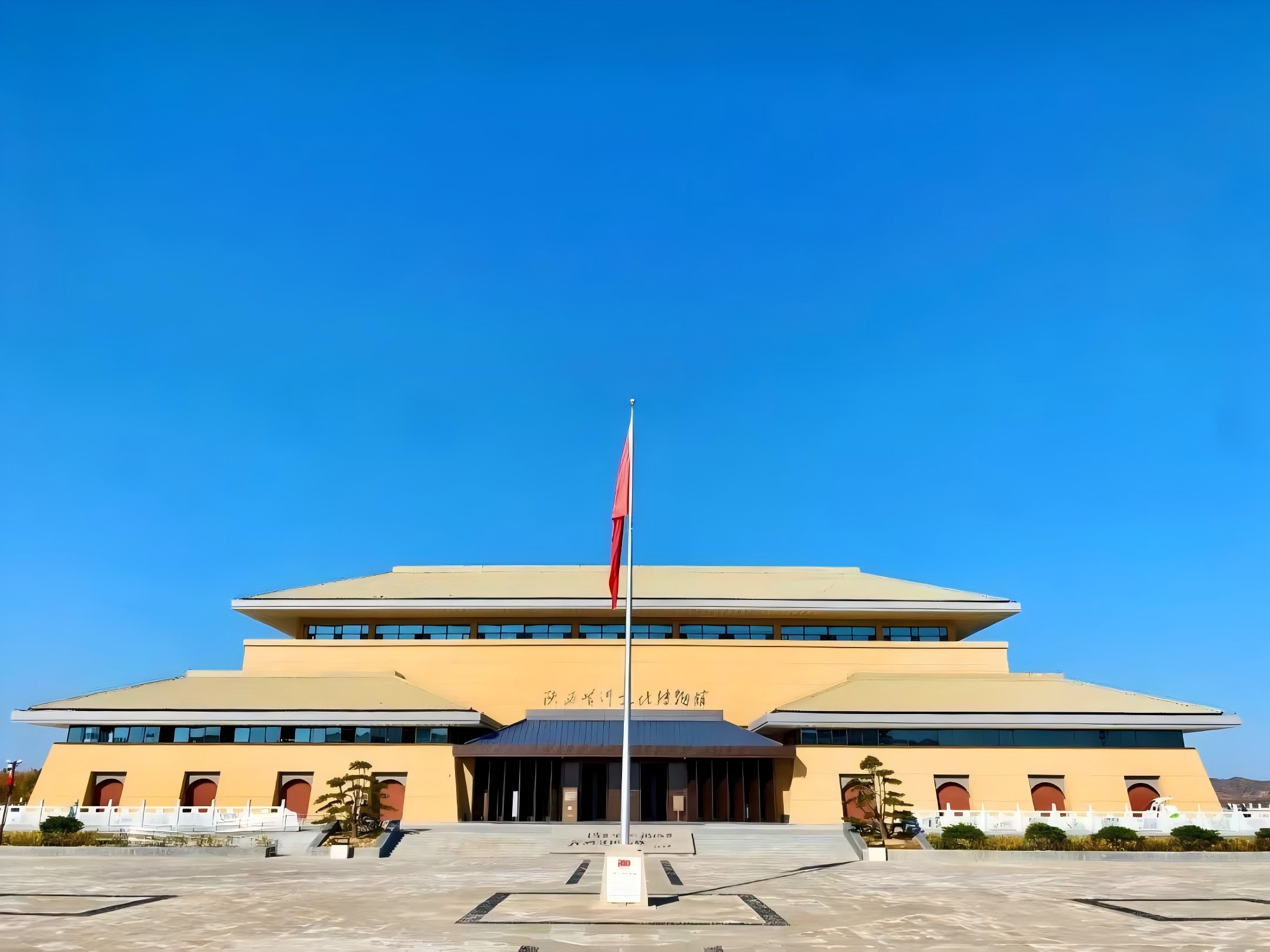
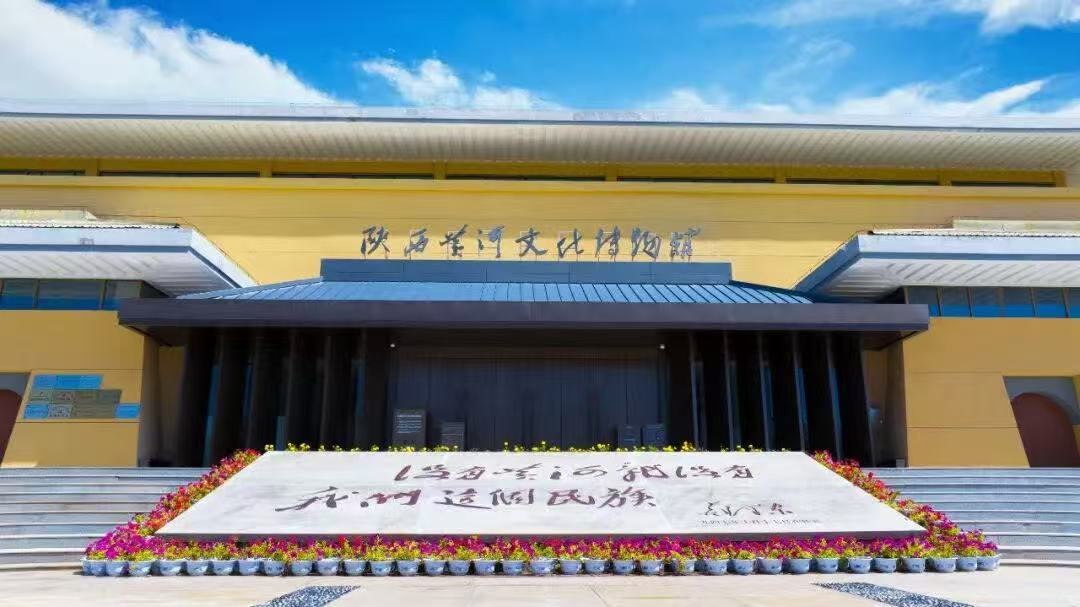
Yellow River Museum Folk Collection
Administration, appraisal, conservation restoration and antiquities consultation
Chapter I General
Article 1 In order to regulate public cultural services such as escrow, public welfare artifact identification, preventive conservation of antiquities, professional relic restoration and comprehensive consultation for antiquities.
Article 2: Adhere to public welfare benefits, professional authority, compliance and safety norms in accordance with law, provide standardized professional services only for the legitimate and clear sources of civil artefacts.
Article 3 This system applies to the whole process of identification, collection escrow, preservation, restoration and consultation of relics.
Article 4 The museum and Shaanxi Institute for the Conservation of Antiquities (Shaanxi Heritage Identification Research Center) set up an expert service team.
(A) Shaanxi Institute of Antiquities Conservation: Responsible for the identification of antiquities, age determination,
(2) Shaanxi Yellow River Culture Museum: responsible for appointment reception, material verification, physical building documents, warehouse escrow, daily maintenance, business file retention, mass reception, complaint supervision, public announcement release.
Article 5 Core Working Principles:
(1) Legal access principle: all accepted collections must be legal, clear and illegal artifacts are strictly prohibited;
(2) Public welfare priority principle: identification, basic antiquities consultation and basic conservation guidance are free of charge;
(3) The principle of ownership is unchanged: during the escrow, conservation and restoration, property ownership always belongs to the applicant.
(4) the whole process of retention: identification, escrow, maintenance, repair, photo recording, document archiving, long-term preservation;
(5) Clarity of responsibility: Applicants take full legal responsibility for the legality of the source of the collection; Pavilion only provides professional services according to industry norms, and does not bear non-library liability such as inherent defects or damage to transportation.
Chapter 2 Subjects of Service and Acceptance
Article 6 Subjects of Service:
(1) Natural persons with legal identity documents (folk collection enthusiasts);
(2) Registered and fully licensed civil collection institutions, folk art galleries and other legal organizations.
Article 7 The scope of the admissible collection is to be legally obtained in accordance with the Law on the Protection of Antiquities of the People's Republic of China, including but not limited to ceramics, metallurgy, book and painting monuments, jade, wood, ancient books, miscellaneous stone etchings, etc.
Article 8 Inadmissibility:
The museum has the right to refuse all service applications directly, without registration and without carrying out any business: looting, poaching, theft, smuggling of artifacts of origin; collection of unknown origin, disputed possessions, unable to provide legal proof of origin;
Chapter Three: Five Types of Services
Section 1 Public Heritage Identification Code
Article 9 The expert group is composed of licensed antiquities identification experts from Shaanxi Institute of Antiquities Conservation + Wenbo professionals from this museum.
Article 10 Identification Service Content:
(A) physical authenticity screening, device age determination, process characteristic interpretation;
(2) the basic research on cultural heritage history, art and scientific value, preliminary reference opinion;
(3) On-site popularization of collection, identification, legal and regulatory knowledge.
Article 11 Identification of hard restraints:
(1) The public welfare appraisal only provides oral reference opinions, and does not have a paper certificate with legal effect;
(2) The appraisal opinion does not value, no security of the transaction, not for judicial proceedings, auction rights, asset mortgages, insurance claims and other scenarios;
(3) strictly prohibit experts and staff from privately charging the applicant for identification fees;
(4) Identification of private selfies, videos and recordings is prohibited on site.
Article 12 Management of Identification:
Each piece is uniformly taken multi-angle images, register applicant information, artifact information, expert opinion and establish an appraisal desk account.
Section 2 Collections for Custody Management
Article 13 Conditions of Escrow Access:
Applicants may apply for escrow upon completion of public welfare certification, submit full legal source materials and sign the pledge.
Article 14 The escrow service standard:
(1) Stored in our standard warehouse, equipped with 24-hour security monitoring, fire protection system and constant temperature and humidity monitoring equipment;
(2) Each escrow collection independently numbered, built, packaged and protected, set up an electronic + paper double account;
(3) Regularly carry out warehouse inspection, pest prevention and mildew prevention protection, inspection records are deposited in files.
Article 15 Substitute Agreement and Mandate:
(1) The two parties signed the "Civil Collection Management Service Agreement", clearly the period of administration, cost standards, access process, liability and default liability;
(2) Ownership is unchanged during escrow, without the written consent of the applicant, the museum shall not be authorized to exhibit, lend, copy and publish;
(3) The applicant can retrieve the collection by process with valid ID; if the escrow period needs to be extended, the renewal process must be completed 5 working days in advance;
(4) Due to force majeure such as earthquake, flood, fire and other damage, the museum shall not be liable.
Article 16 Termination of escrow:
(a) the expiration of the escrow agreement;
(b) the applicant’s written application to retrieve all collections;
(3) The source of the authentic collection is illegal and the right to exist is disputed.
Section 3 Preventive Conservation of Heritage
Article 17 Provide normalized basic protection for private or substituted folk artefacts include: cleaning dust removal, insect-proof mold treatment, moisture control protection, loose parts reinforcement, metal artifacts corrosion prevention and other preventive protection.
Article 18 Maintenance Work Process:
(1) The applicant submits an application for conservation, staff records the status of the artifact and photo remains in its original state;
(ii) Professionals develop a simple maintenance program, communicate with the applicant;
(C) the whole process of conservation, step-by-step photo recording, after completion, issued the "Antiquities Conservation Record List"
(4) Basic conservation guidance is free, bulk special conservation according to public standard of consumables and labor costs.
Section 4 Professional Artifact Restoration Management Code
Article 19 Strictly follow the "Programming Requirements for Remediation of Transportable Antiquities Protection Law of the People's Republic of China"Principle of Minimal InterventionReversibility principle, recognisability principle, repair old as old principle, safety durability principle, eliminate over-repair and destructive repair.
Article 20 Repair the whole process control:
(1) The applicant submits a repair application, expert site survey damage, mutilated disease and develop special repair plan;
(2) The restoration plan informs the applicant in writing that both parties sign a "Repair Service Agreement of Antiquities", clearly the scope, duration, cost and expected effect after restoration;
(3) Repair the whole process of staged image recording, establish complete repair files (injury record, repair plan, construction record, comparison chart before and after repair);
(4) The restoration process found hidden major diseases and structural risks, contact the applicant at the first time to consult the adjustment program.
Article 21 Remediation of the archive is permanently filed, synchronously copied to Shaanxi Institute of Antiquities Protection.
Section 5 Comprehensive Antiquities Advisory Management Specification
Article 22 Provide free consultation services on cultural relics collection norms, daily custodial skills, self-inspection of diseases, interpretation of laws and regulations,
Article 23 Requirements for Consulting Work:
(1) Uniform training of reception staff, accurate answers to antiquities regulations and basic protection knowledge;
(B) to question beyond the scope of business and higher professional difficulty;
(3) Establish a consulting register account, record high-frequency problems of the masses and regularly organize scientific propaganda material.
Chapter 4: The Whole Process Management
Article 24 The reservation method is consultation telephone appointment, on-site window appointment two ways; the registration content is applicant name, ID number, contact information, quantity of items, type of item, estimated age, complete condition, application business type.
Article 25 The applicant must submit the following materials, which is inadmissible:
(1) Original and photocopy of my valid identity card;
(2) Proof of legitimate origin (purchase notes, inheritance certificates, transfer agreements, auction closing vouchers, etc.);
(3) Sign the Legal Collection Commitment of Antiquities on the spot, promising that the source of the collection is legitimate and not entitled to dispute, voluntarily assume full legal responsibility.
26th staff check physical on site, multi-angle HD photo, measurement size, record material, texture, damage, repair marks; uniformly compile the collection business number and establish independent business file.
Article 27 The experts of the Provincial Academy of Arts and Sciences jointly carry out corresponding services according to industry norms, synchronously form appraisal opinions, conservation records, repair archives and other business instruments.
Article 28 After all the business is completed, the Pavilion will notify the applicant by telephone; the applicant with his valid identity document check, sign confirmation and receive back the collection and all business materials.
Chapter 5: Time, Place and Charge Management
Article 29 Service places and hours:
Service location:Shaanxi Yellow River Culture Museum (No. 35, New Town East District, Jiazhou Street, Jia County, Yulin City, Shaanxi Province);
Regular service hours: from July 15, 2026, daily 9:00-11:30, 14:30-17:00; all services are suspended on public holidays;
Official announcements will be issued for special identification and cultural relic protection activities.
Article 30 Cost Management:
(1) Free service items: public welfare relic identification, all antiquities consultation, basic conservation guidance;
(2) Agreement fee project: long-term escrow, deep professional artifact restoration;
(3) fee rules, consumable prices, manual standards in the service hall public column, official channels permanently open. Charges are all integrated into the financial uniform management of the museum.
Chapter VI Staff Code of Conduct
Article 31 Discipline of post:
(1) All business personnel and external experts shall not engage with the applicant for collection transactions, intermediaries, paid agents, etc.;
(2) The disclosure of applicant’s personal information, collection files and undisclosed repair programs is strictly prohibited;
(3) to receive civility and politeness of the masses, objectively neutral give professional opinion, do not exaggerate or mislead collectors;
(4) The applicant must not promise that the results of the appraisal have legal effect and cannot guarantee the market value.
Article 32 All private collection business files and applicant identity information shall be kept by a special counter, non-business work needs to not be consulted; the file is not borrowed, no casual photo transmission, access registration marks.
Article 33 Safety Code of Practice:
(A) collection handling, unpacking, maintenance and repair all the way light, use special protective tools;
(B) fragile and vulnerable artifacts take buffer packing, operation area lay protective pad;
(3) warehouse, restoration room strictly enforce antiquities security and fire management system.
Title VII: Applicant Rights and Duties
Article 34 The right of the applicant:
(1) Free access to antiquities identification, antiquities consultation and basic conservation guidance services;
(2) clear knowledge of escrow, repair fee standards, voluntarily choose whether to sign a paid service agreement;
(C) access the relevant business records, maintenance and repair of my collection;
(4) Disagreement with service attitude, business process and fee standards.
(5) After the escrow service expires, retrieve your own collection normally with valid documents.
Article 35 Obligation of the Applicant:
(a) ensure that the collection is authentic and valid, no theft, smuggling, ownership disputes and other illegal situations, independently bear full legal responsibility;
(2) Proper packaging, transport and delivery of the collection, damage in transit or loss is the sole responsibility of the applicant;
(3) Comply with the on-site management rules, prohibit casual touching and damaging other collections.
(D) on time for appointment, payment, renewal and retrieval procedures, overdue collection of escrow collections collected by agreement;
(5) Collaborate with the antiquities administration and pavilion to carry out source verification, information registration and other compliance work.
Chapter 8: Supervision, Complaints and Accountability
Article 36 Internal and External Oversight Mechanisms:
(A) internal supervision: comprehensive office, finance department regularly check business files, toll desk accounts and service processes.
(2) External supervision: public supervision complaints telephone 0912-6721236, receiving mass and antiquities authorities full supervision;
(3) All services are traceable, business files are retained and checked.
Article 37: Registration within 3 working days after receipt of the complaint, complete verification within 5 working days; Order relevant personnel rectification for service attitude and non-regulatory issues, and feedback to the complainant about processing results.
Article 38 Liability for violations:
(1) staff private charges, privately traded collections, leaked archive information: internal briefing criticism, withholding performance; serious discharge of employment relations, handover of artifacts, market supervision department processing; suspected illegal transfer to the judiciary;
(2) The applicant conceals the illegal origin of the collection and provides false material: the museum immediately terminates all services, reports the local antiquities law enforcement department, is held liable according to the law;
(3) The applicant disrupts the service site, damages facilities, collections and escrow artifacts: compensation for price, serious transfer to public security organs.
Chapter 9: Archive Management
39th business files are divided into four categories: identification archives, collection escrow files, relics conservation and restoration files, consulting registration desk accounts.
Article 40 Term of custody:
(A) identification and consultation of files: custody for at least 10 years;
(ii) Collections escrow and restoration of relics: permanent storage;
(C) electronic files synchronized cloud backup, paper file moisture-proof anti-bug cabinet storage.
Chapter X by-laws
Article 41 These regulations are responsible for uniform interpretation by the Office of Yellow River Culture Museum, Shaanxi, such as conflict with the latest cultural relics laws and regulations in Shaanxi Province.
Article 42 The museum may revise and improve the terms of this system according to the notice of work of the superior antiquities department, the actual operation of the business.
Article 43 This system will go into effect as of July 15, 2026.
Shaanxi Yellow River Culture Museum
July 10, 2026