Yellow River Cultural Museum
Entry criteria and solicitation process
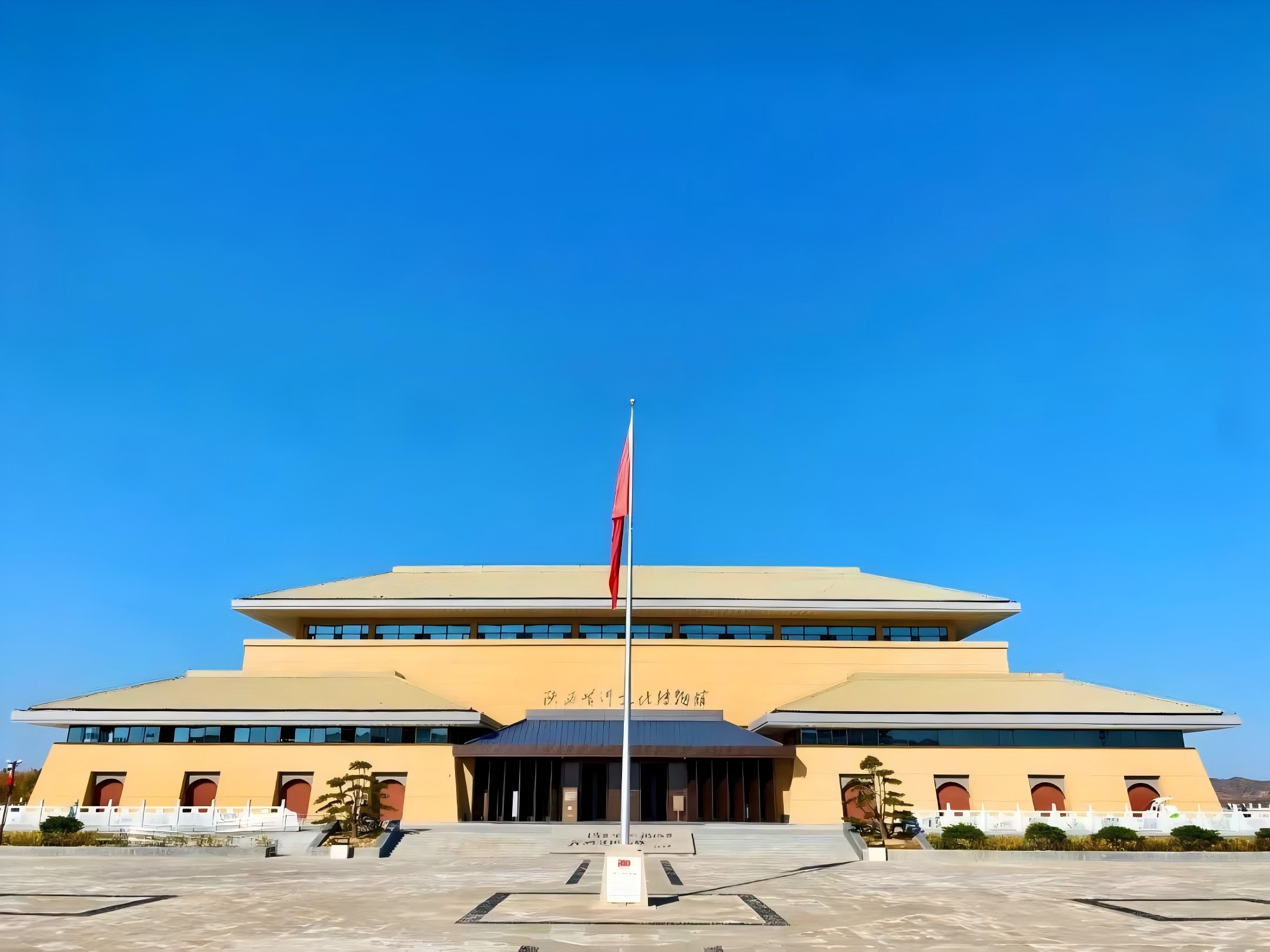
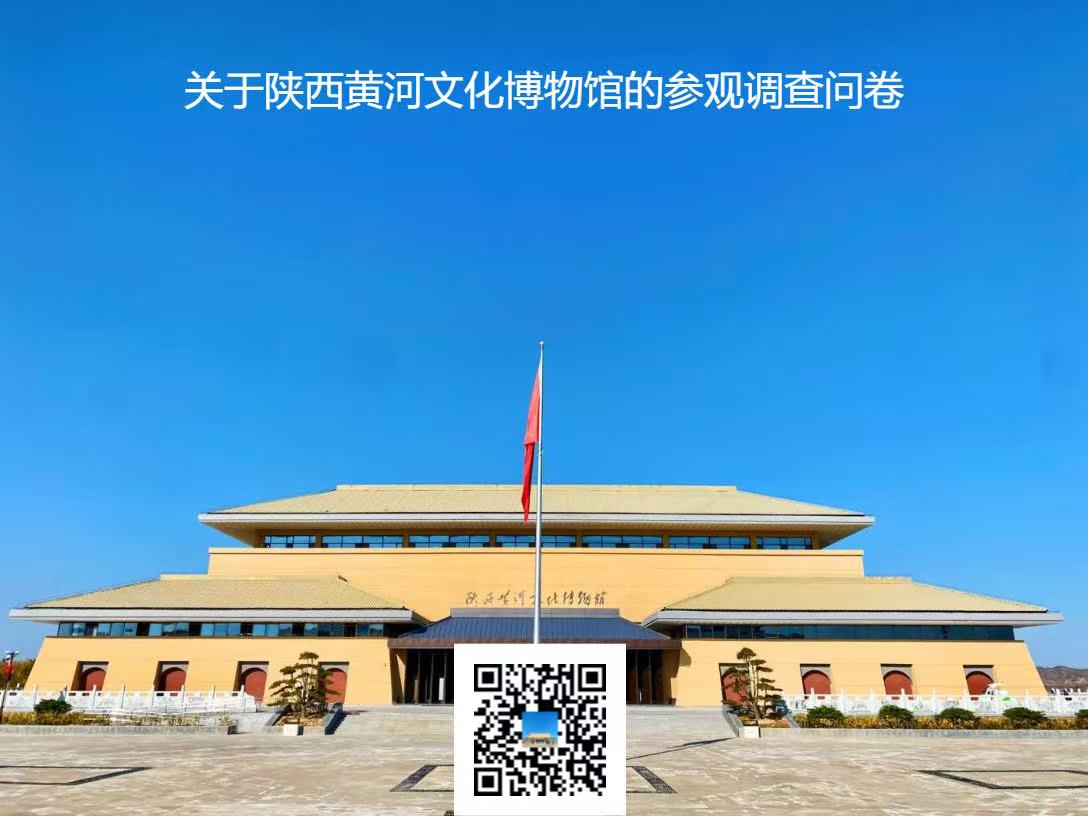
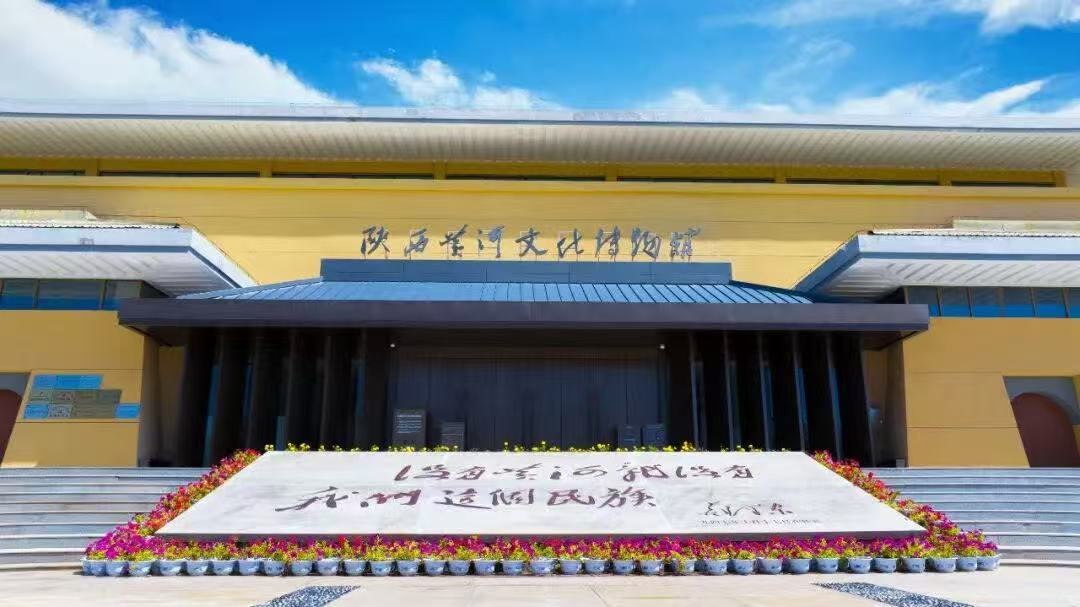
Yellow River Culture Museum is the first comprehensive museum in the province to focus on the theme of Yellow River culture. It is also a thematic venue that focuses on the material civilization, spiritual civilization, institutional civilization and ecological civilization of the Yellow River Basin.
The Call for Policy
Shaanxi Yellow River Culture Museum collects voluntary principles to encourage collective and individual donations without compensation. The donation certificate is issued for those who donate valuable artifacts and historical materials. Once the donation has been used, it will be permanently named in the exhibition cabinet. Social solicitation and participation in auctions are mainly solicited for purchase. Museums may not collect illegal or unknown items of origin.
Entry Criteria
The Yellow River Basin Qinghai, Gansu, Sichuan, Ningxia, Inner Mongolia, Shaanxi, Shanxi, Henan, Shandong and other relevant cities and counties reflect the historical changes of the Yellow River Basin, social development, life customs, cultural arts, religious beliefs, ecological environment, etc.
2. The collection should be a witness to the social system, social production, social life, cultural arts, scientific and technological achievements of its age.
3.All collections must meet the requirements of authenticity, legality of origin and relevant laws and regulations.
Scope of Call
1. Historical relics: ancient human fossils, stone tools, pottery, bronze, iron and other prehistoric and ancient collections in Shaanxi section of the Yellow River Basin;
2. Red Culture: Red collection of revolutionary documents, letters, medals, weapons and supplies, as well as physical and historical materials reflecting the struggle for liberation.
3. Non-relics and folklore: non-relic objects in the Yellow River Basin (such as drum props, Huayin old cavity instruments, paper cuts, skin shadows, mud plastic etc.);
4. Contemporary development: materials reflecting ecological governance, water conservancy and tourism development (e.g. sand tools, yellow river bridge construction drawings, cultural tourism products, image data, etc.).
5. Documentation: Ancient texts, Fangzhi, genealogy, books, photographs, oral history records, academic research results, etc.
IV. Call for Process
(a) to publish the solicitation notices. The solicitation office shall establish a phased solicitation policy and scope of solicitation according to the call for leadership group, annual solicitation plan, solicitation guidance ideas and so on.
(2) Call for inquiry. Based on the applicant's application for solicitation information, multi-channel search for solicitation leads, conduct a first examination of authenticity, legality of origin and compliance with the solicitation direction.
(C) Evaluation. Three experts from the corresponding research direction form an expert group to evaluate the authenticity, historical, artistic, scientific value, experience, valuation (independently given), etc., and issue appraisal opinions.
(D) Price negotiation or consultation. The solicitation office and finance staff jointly form a negotiation or consultation group of no less than three persons, with the upper limit of the valuation proposal, to negotiate price negotiations with the owner of the proposed solicitation, according to the principle of competitive merit.
(a) The collection shall be carried out in accordance with the relevant provisions. If the collection is determined, the solicitation office shall perform the solicitation procedure according to the relevant regulations. The parties shall sign a solicitation contract, specifying the name, quantity, price, tax, delivery time and manner, and liability agreement.
(6) Payment acceptance. The financial department collects vouchers according to the contract, invoice and list of solicitation items submitted by the Office for payment.
(7) To register the account. The financial department shall, in accordance with the requirements of government accounting system and related standards, promptly register the account according to the purchase price after completion of the solicitation process.
(viii) Construction documents. All original materials of the solicitation process should be archived and kept permanently. By the solicitation office fill out the registration account of the collection, record the name, era, type, amount, size, quantity, degree of completeness and so on.
(9) Formal storage. Hand over physical collection and inventory and archives to the collector.
V. Call for Time
Valid for long years from the date of publication of the announcement.
May 6, 2024
Shaanxi Yellow River Culture Museum